IMOGEN WALL
  • Home
  • Photography
    • Autumn
    • Artichoke
    • Magnolia
    • Nimmitabel
    • Surreal museums
    • Breathe
    • Street art
    • Wallagarough
    • Burnout
    • --> Metal prints info
  • Collage
    • Dreamscapes
    • Voyagers
  • Drawing
    • Curiosity/Breathe
    • The meaning of an oyster shell
    • Drawings
  • Painting
    • Spirit Birds
    • Take flight!
    • Skyscapes
    • Burnout
    • Other painting
  • 3D & Set design
    • Firebirds
    • Ikebana bricolage
    • Recruiting Officer
    • Utopia
    • Camelot
    • Mikado
    • Kismet
  • Poetry
    • Leaf litter
    • A Take-away
    • Breathe
    • Welcome Swallows
    • Driving home
    • Firebird
    • Why the Crow?
    • King Parrot at dusk
    • Home country
    • All the time in the world
    • For Cody
    • Grief train
    • Requiem for roadkill
  • Essays
    • René Girard & Shakespeare_Quadrant Magazine
    • René Girard & Shakespeare_Masters Thesis
    • Aspirations for our nation: Conversations with Australians about Progress
    • Measuring Wellbeing
  • Video
    • Light
    • Water
    • Flower
    • Concert
    • Memento
    • Morning
  • About
  • Contact

The Humanity of Violence:
A Girardian reading of The Comedy of Errors

Thesis - Master of Studies (Advanced), Australian National University, 2022.

the_humanity_of_violence_a_girardian_reading_of_shakespeares_the_comedy_of_errors.pdf
File Size: 1757 kb
File Type: pdf
Download File

KEY WORDS:
Shakespeare and violence, Shakespeare, violence, Rene Girard, Ephesus, Pauline gospel, Holy Innocent's Day, Theatre of Envy, twins, Christianity, Revelation

​ABSTRACT

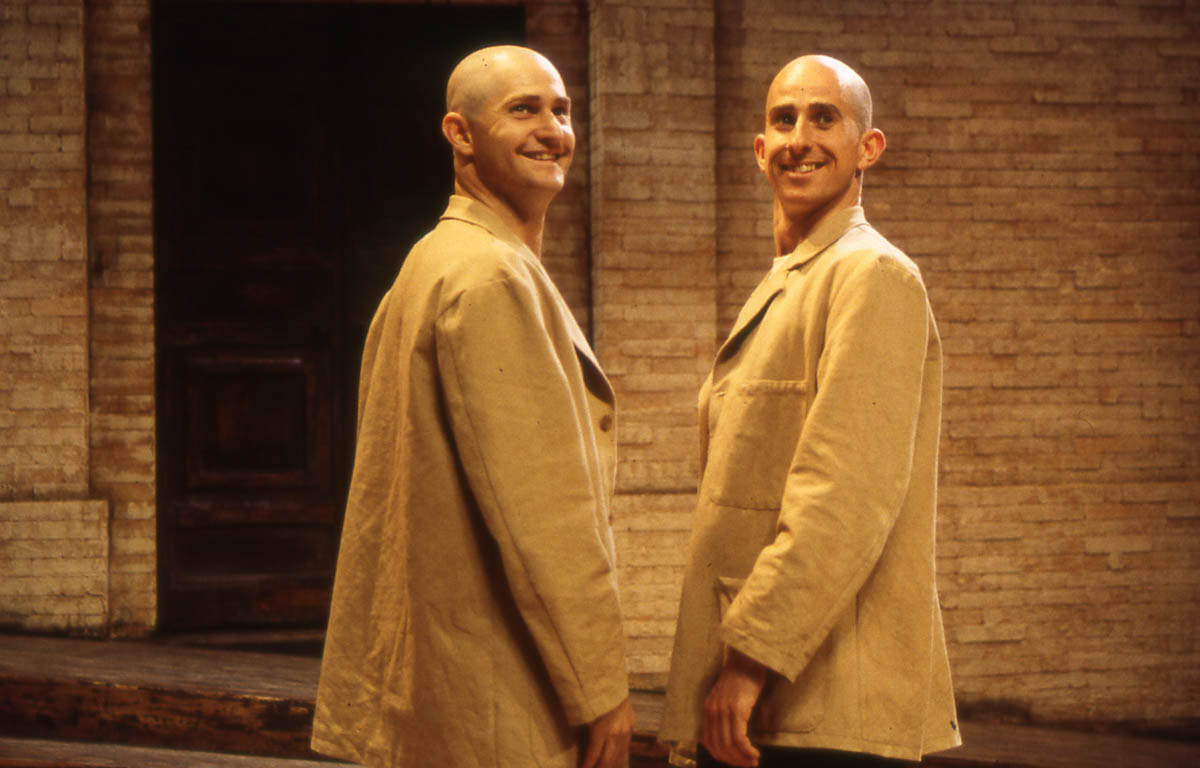
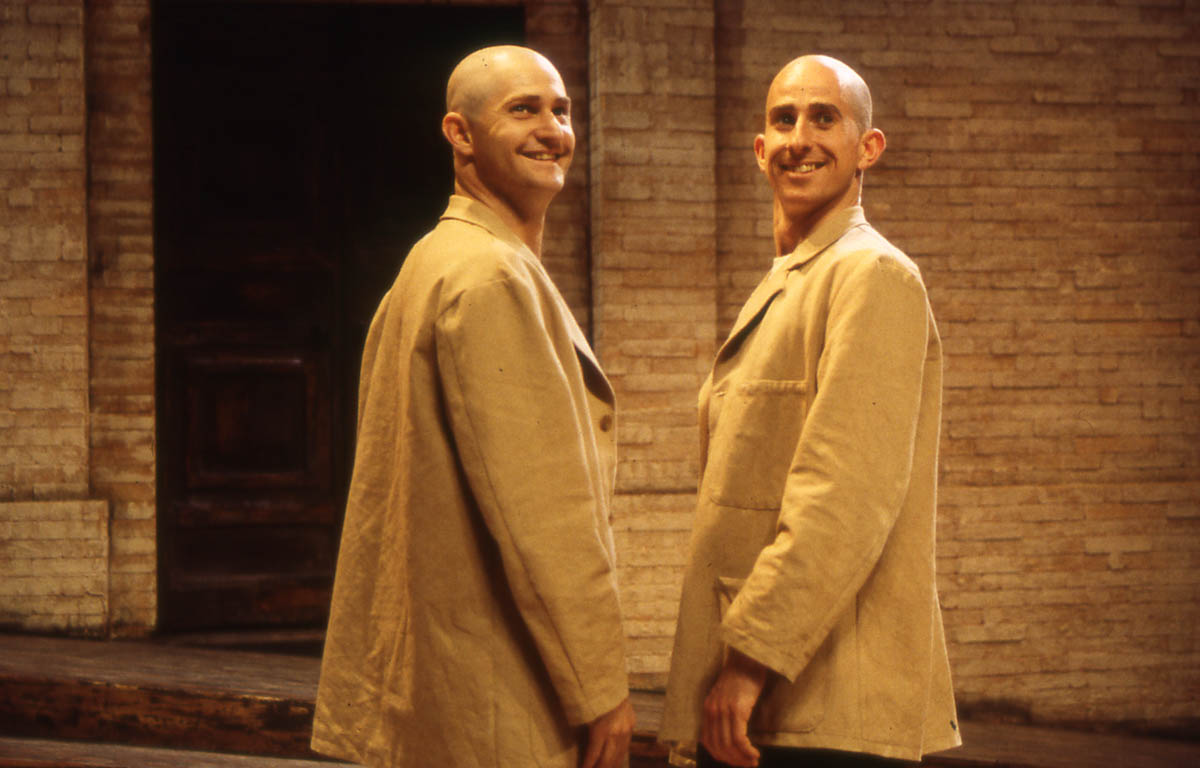
While R. A. Foakes, in his survey of Shakespeare’s most violent plays, suggests extreme violence is an aberrant impulse emerging from unfathomable shadows, René Girard sees it germinating in quotidian household antagonism. This thesis applies Girard’s model of human relations, which maps violence from its inception in intimate relationships to climactic community crisis, to William Shakespeare’s play, The Comedy of Errors, prompting a deeper look at the hilarious comedy. Girard’s theory centres on the human propensity for spontaneous mimesis, which supports bonding but also provides a basis for desire and rivalry to create interpersonal conflict. He shows how mimesis spreads hostility in communities, dividing them into volatile warring tribes until the crowd’s antagonism is projected on to a single arbitrary scapegoat, who is killed. Such processes are highly evident in Shakespeare’s lightest, shortest play, despite its absurd plot revolving around two sets of identical twins. The thesis argues this darker sacrificial structure underlies the play’s slapstick mayhem, and its twin motif references myth’s archetypal ‘warring brothers’. Girardian analysis reveals habitual mimetic conflict in both Errors’ domestic and civic arenas, potently emblematised in Act 3, Scene 1 by twins positioned each side of a locked door escalating hostilities by matching insults. The play proceeds towards community crisis and victimisation, but the revelation of the twins instead shows the angry mob to have been gripped by a mass illusion of enmity. This Christian-feeling finale is explained in terms of Girard’s unusual material reading of biblical scripture, and it is argued the play presents an alternative to community violence that circumvents scapegoating. The notion of innocence is explored in respect of the Christ-like victim Egeon and the simultaneous innocence and culpability of the play’s protagonists. Whether or not Shakespeare was cognisant of the specific social processes Girard describes, the thesis finds The Comedy of Errors provides a concise dramatic blueprint of those processes. It finds there is rich correspondence between the dramatist and the anthropologist, who drew on similar sources in articulating the dynamics of human relating: myth, drama, literature. Both, for instance, show a radical acceptance of violence as a driving force in human relations. The thesis then, helps build a bridge between Girard and Shakespearean scholarship in respect of Errors, arguing for the value of a Girardian analysis.


Your browser does not support viewing this document. Click here to download the document.
Picture
Photograph by Malcom Davies/Shakespeare Birthplace Trust, RSC production of The Comedy of Errors, The Other Place 1996, ​https://collections.shakespeare.org.uk/media/_source/sbt-davies-com-1996-33.jpg.

​All content on this website is © Imogen Wall unless otherwise stated

Proudly powered by Weebly
  • Home
  • Photography
    • Autumn
    • Artichoke
    • Magnolia
    • Nimmitabel
    • Surreal museums
    • Breathe
    • Street art
    • Wallagarough
    • Burnout
    • --> Metal prints info
  • Collage
    • Dreamscapes
    • Voyagers
  • Drawing
    • Curiosity/Breathe
    • The meaning of an oyster shell
    • Drawings
  • Painting
    • Spirit Birds
    • Take flight!
    • Skyscapes
    • Burnout
    • Other painting
  • 3D & Set design
    • Firebirds
    • Ikebana bricolage
    • Recruiting Officer
    • Utopia
    • Camelot
    • Mikado
    • Kismet
  • Poetry
    • Leaf litter
    • A Take-away
    • Breathe
    • Welcome Swallows
    • Driving home
    • Firebird
    • Why the Crow?
    • King Parrot at dusk
    • Home country
    • All the time in the world
    • For Cody
    • Grief train
    • Requiem for roadkill
  • Essays
    • René Girard & Shakespeare_Quadrant Magazine
    • René Girard & Shakespeare_Masters Thesis
    • Aspirations for our nation: Conversations with Australians about Progress
    • Measuring Wellbeing
  • Video
    • Light
    • Water
    • Flower
    • Concert
    • Memento
    • Morning
  • About
  • Contact